Understanding Radon Mitigation York PA: A Homeowner's Guide to Safer Air
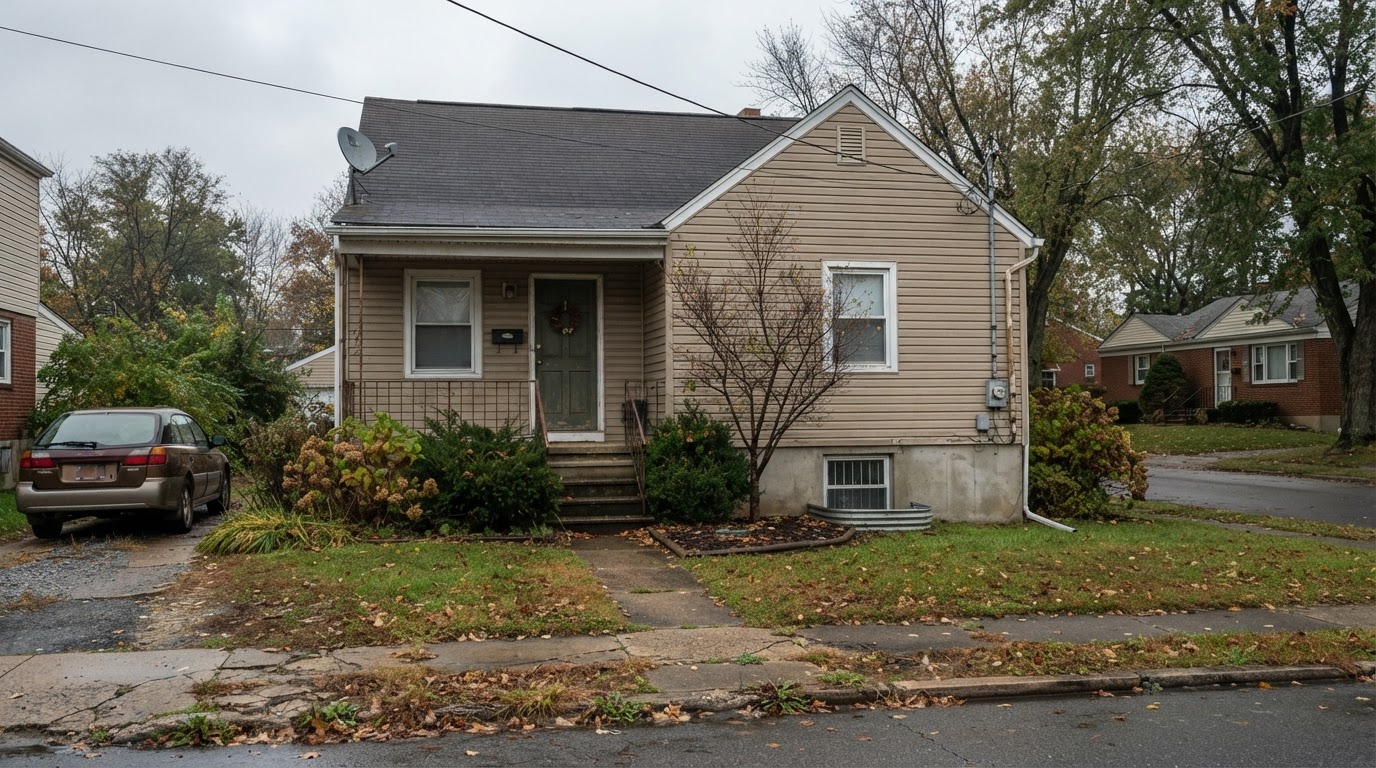
If you own a home in York PA, you have probably heard about radon. It is a naturally occurring radioactive gas that comes from the decay of uranium in soil and rock. Radon can seep into any building, and long-term exposure is the second leading cause of lung cancer in the United States, according to the EPA. The tricky part is that radon is invisible and odorless, so you cannot tell if it is present without testing. That is where radon mitigation York PA comes into play for local homeowners who want to protect their families.
Why York PA Homes Are at Risk
The geology of south-central Pennsylvania, including York County, contains significant amounts of granite, shale, and limestone. These formations often release radon gas as they break down naturally. The Pennsylvania Department of Environmental Protection has mapped zones across the state, and much of York County falls into Zone 1, meaning predicted average indoor radon levels are above the EPA action level of 4 picocuries per liter (pCi/L). That does not mean every home is dangerous, but it does mean you should take the risk seriously. I have seen homes in the same neighborhood with readings ranging from 2 pCi/L to over 20 pCi/L. The variation depends on construction, soil type, and how well the house is sealed.
Start with Testing: Short-Term vs Long-Term
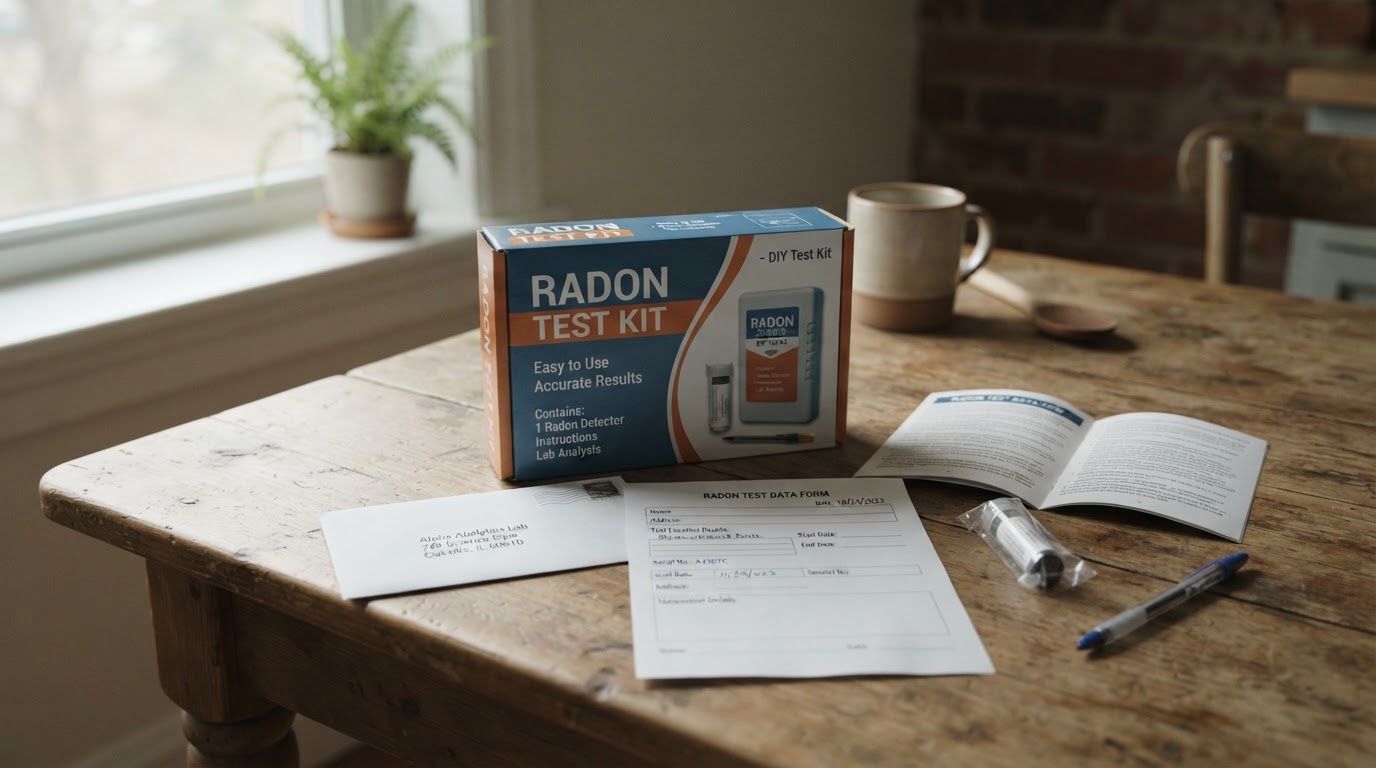
Before you think about radon mitigation, you need to know your baseline. Radon testing is straightforward and inexpensive. You can buy a short-term radon test kit at most hardware stores or online. A short-term test stays in your home for 2 to 7 days, usually in the lowest livable level. It gives you a quick snapshot. For a more reliable picture, use a long-term radon test that runs for 90 days to a year. Radon levels fluctuate with weather, season, and household ventilation, so a long-term test smooths out those spikes.
The EPA and the Pennsylvania Department of Environmental Protection both recommend starting with a short-term test. If the result is 4 pCi/L or higher, you should follow up with a second short-term test or move directly to a long-term test. Do not panic if you get an elevated reading. Radon is manageable, and effective mitigation systems exist.
How Radon Mitigation Systems Work
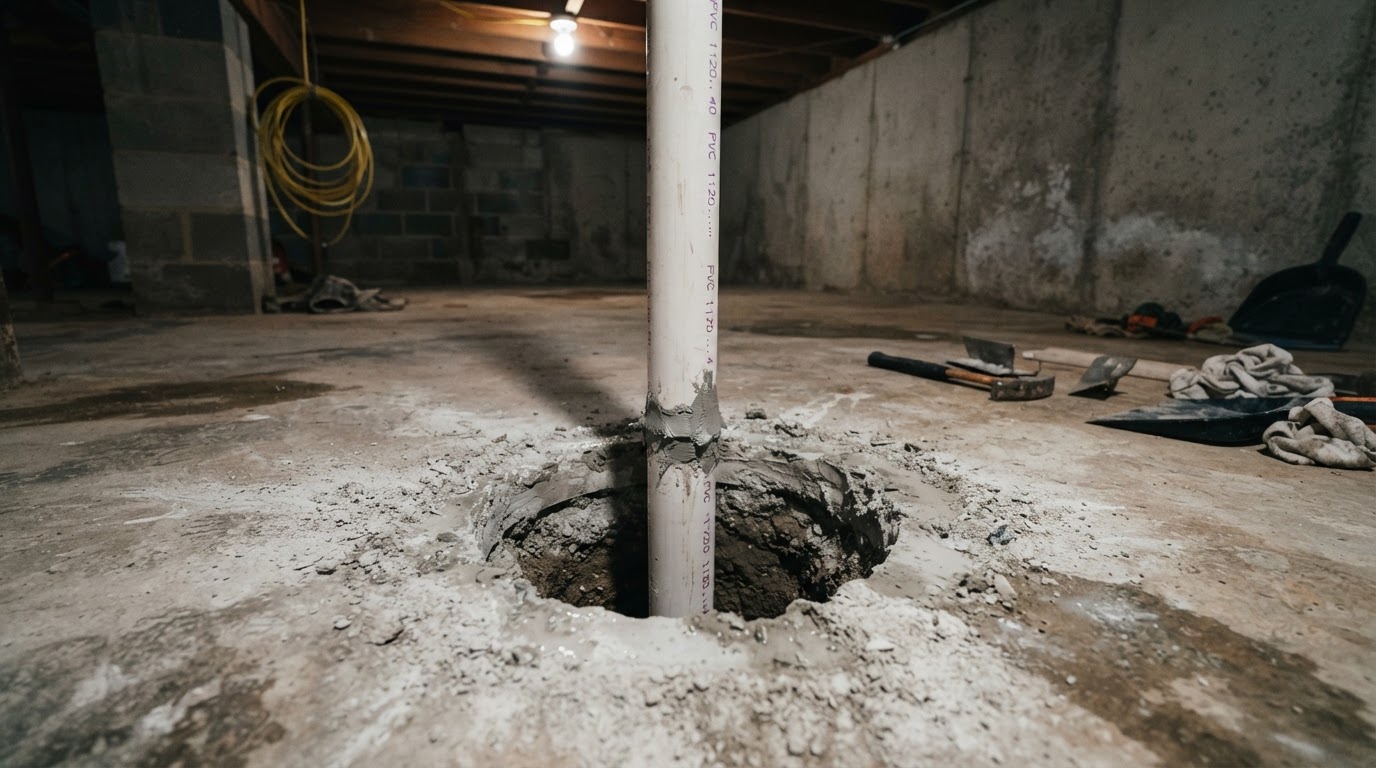
The most common and effective method for lowering radon levels is active soil depressurization. This system uses a radon fan installed in your basement or crawl space to create negative pressure under the concrete slab. The fan pulls radon-laden soil gas from beneath the house and vents it safely above the roofline, where it dilutes in the outdoor air. A manometer is mounted on the pipe to show that the fan is running and the system is working. You can check it at a glance, much like looking at a thermostat.
For homes with a crawl space instead of a full basement, sub-membrane depressurization is common. A heavy plastic sheet is laid over the dirt floor, sealed to the walls and piers, and a fan draws the gas from beneath the membrane. Both methods rely on sealant applied to cracks and gaps in the foundation, but sealing alone is rarely enough. The real work is done by the fan and the vent pipe.
Choosing a Certified Radon Mitigator
Installing a radon reduction system is not a DIY project for most homeowners. It involves drilling through concrete, running pipe, wiring an electrical outlet, and sealing everything properly. A mistake can waste money or even increase radon levels by changing the airflow in the soil. That is why you want a certified radon mitigator who holds credentials from the National Radon Proficiency Program or the American Association of Radon Scientists and Technicians. These programs require training, exams, and continuing education. A certified professional will also know local building codes and the specific radon patterns in York PA.
When you search for radon mitigation York PA, look for companies that list these certifications on their website or can provide proof. Ask how many systems they have installed in homes similar to yours. A good mitigator will give you a clear quote that includes the fan, piping, sealing materials, and a post-installation radon test to confirm the system works. Many will also offer a warranty on parts and labor.
What About New Construction?
If you are building a new home, you have a chance to include radon-resistant construction from the start. Techniques include placing a layer of gravel below the slab, a vapor barrier, a sealed sump or vent pipe stub, and sealing all foundation openings. These features are inexpensive during construction but costly to add later. Even with radon-resistant construction, you should still test after moving in. No system is perfect, and soil conditions change over time.
Costs and Realistic Expectations
Radon mitigation costs in York PA typically range from $800 to $2,500, depending on the complexity of the installation. A simple active soil depressurization in a house with an accessible basement and an easy route for the vent pipe will be at the lower end. A crawl space with a sub-membrane depressurization or a house with a finished basement that requires careful drilling and patching will cost more. Some homeowners worry about the appearance of the pipe running up the outside of the house. Mitigators can often route it through an interior closet or a garage, but that may add to the labor. The trade-off is that a visible pipe is a small price to pay for reducing your family's lung cancer risk.
Monitoring and Maintenance
Once your radon reduction system is installed, it requires very little upkeep. The radon fan should run continuously. Check the manometer occasionally to confirm the pressure difference is within the normal range. If the reading changes or the fan makes unusual noise, call your mitigator. Some homeowners also buy a continuous radon monitor, a plug-in device that gives a running average of radon levels. These are not required but can give peace of mind, especially if your initial levels were very high.
Real Stories from York Homeowners
I worked with a family in the Spry area who had lived in their home for ten years before testing. Their short-term radon test came back at 8.7 pCi/L. They were alarmed, but after installing an active soil depressurization system, their follow-up test showed 1.2 pCi/L. The whole process took two days and cost about $1,500. They told me they wished they had tested sooner. Another homeowner in West York had a crawl space with a dirt floor. Sub-membrane depressurization dropped their levels from 14 pCi/L to 0.8 pCi/L. These are not unusual results. When a system is designed and installed correctly, it almost always works.
Radon Testing Should Be Routine
If you have not tested your home for radon, or if you tested years ago and have made changes like finishing the basement or adding a sump pump, it is time to test again. Radon levels can change when you alter the foundation or the soil around it. The EPA recommends testing every two years, or after any major renovation. The Pennsylvania Department of Environmental Protection also offers free or low-cost test kits through local health departments. Take advantage of those programs.
Final Thoughts
Radon is a serious issue, but it is also a solvable one. The science is well understood, the equipment is reliable, and the professionals in York PA are experienced. If you are searching for radon mitigation York PA, you are already on the right track. Start with a test, find a certified radon mitigator, and get a system installed if needed. The cost is modest compared to the health benefit. Your home should be a safe place, and clean air is a big part of that.